Static vs Dynamic QR Codes have become an essential part of modern communication. From digital payments and restaurant menus to educational materials and marketing campaigns, these square-shaped codes simplify how we share information. However, when creating one, many people face a crucial question: Should I choose a static or a dynamic QR code?
Understanding the difference between static and dynamic QR codes is important for businesses, educators, marketers, and individuals who want flexibility, tracking, and long-term reliability. In this comprehensive guide, we will explore the core differences, technical aspects, industry use cases, educational applications, marketing advantages, and practical decision-making strategies.
By the end of this article, you will clearly understand which option suits your needs.
What Is a QR Code?
A QR code (Quick Response code) is a two-dimensional barcode that stores information in a square grid of black and white patterns. It was originally developed in 1994 by the Japanese company Denso Wave to track automotive parts more efficiently. Over time, QR codes evolved beyond industrial use and became a global digital tool.
Unlike traditional barcodes that store data horizontally, QR codes store information both horizontally and vertically. This allows them to hold significantly more data.
Today, QR codes are widely used because they are:
- Easy to create
- Simple to scan using smartphones
- Cost-effective
- Highly versatile
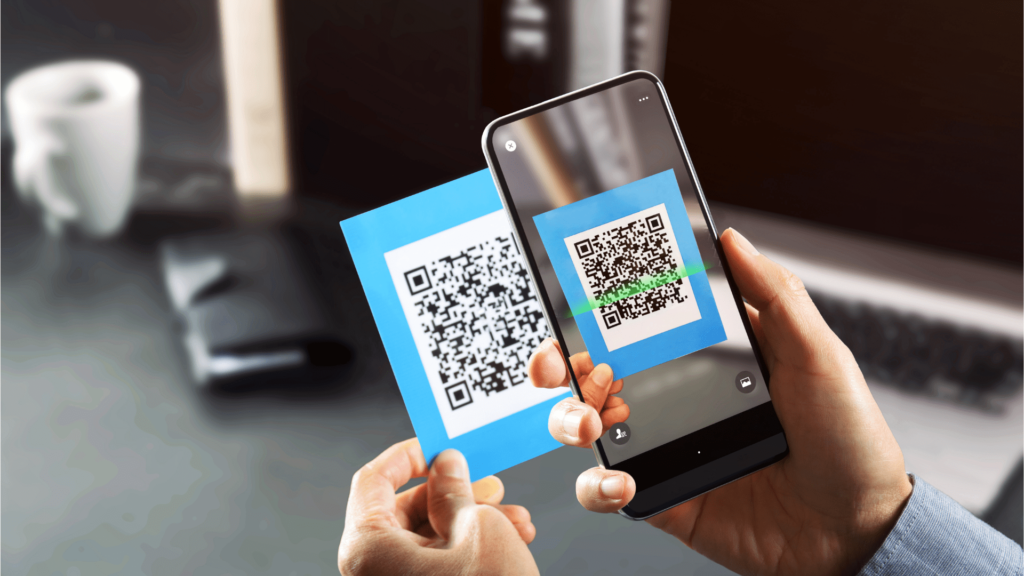
Most modern smartphones have built-in QR code scanning through their camera apps, eliminating the need for special software.
How Do QR Codes Work?
When a user scans a QR code with their smartphone camera, the device reads the encoded pattern and translates it into usable information. This information can include:
- Website URLs
- Contact information
- Wi-Fi credentials
- Payment details
- Text messages
- App download links
The scanning process happens within seconds, making QR codes extremely efficient for sharing digital content instantly.
Why QR Codes Became Popular
QR codes gained massive popularity during the COVID-19 pandemic when businesses needed contactless solutions. Restaurants replaced physical menus with QR-based digital menus. Retail stores used them for contactless payments. Educational institutions shared learning materials digitally.
Their advantages include:
- Contactless access
- Fast information sharing
- Reduced printing costs
- Easy integration with marketing campaigns
Because QR codes can be used in both physical and digital environments, they bridge the gap between offline and online experiences.
Types of QR Codes
Before diving into the comparison, it’s important to understand that QR codes generally fall into two main categories:
- Static QR codes
- Dynamic QR codes
These two types, static vs dynamic QR codes, differ significantly in functionality, flexibility, and tracking capabilities.
Understanding this foundation makes it easier to evaluate the differences between static and dynamic QR codes in the next sections.
What Are Static QR Codes?
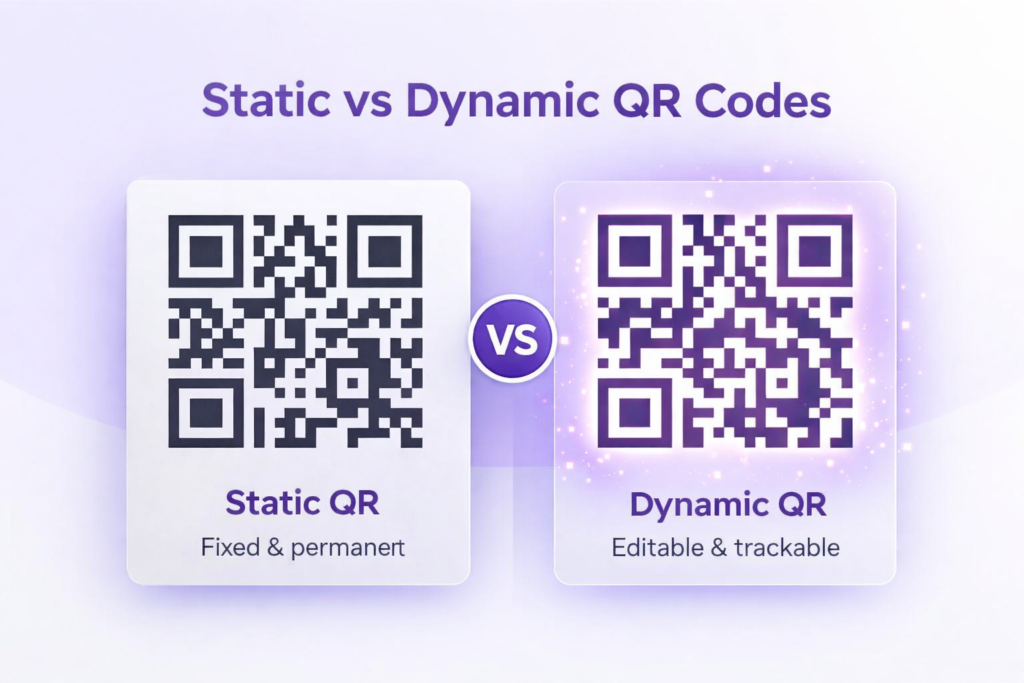
A static QR code contains fixed information embedded directly into the code pattern. Once generated, the content cannot be changed. When someone scans a static QR code, the stored information is immediately displayed because it is permanently encoded. Ready to create one? You can generate a free Static QR Code on our homepage tool instantly.
Key Characteristics
- The destination cannot be edited after creation
- No tracking or analytics available
- Usually free to generate
- Best suited for permanent information
Common Examples
- Linking to a homepage
- Sharing Wi-Fi credentials
- Adding contact details
- Displaying simple text
Static QR codes are straightforward and reliable when the information will never change.
What Are Dynamic QR Codes?
Dynamic QR codes work differently. Instead of embedding the final destination directly, they store a short redirect link. This redirect points to content hosted externally, which can be modified anytime. Because of this structure, dynamic QR codes offer flexibility and tracking capabilities.
Key Characteristics
- Destination can be edited anytime
- Scan tracking and analytics
- Location and device data insights
- Password protection options
- Expiration and scheduling features
Dynamic QR codes are ideal for businesses and organizations that need control and performance monitoring.
Static vs Dynamic QR Codes: Core Differences
To clearly understand the comparison, let’s break down the major differences.
| Feature | Static QR Codes | Dynamic QR Codes |
|---|---|---|
| Editable | No | Yes |
| Tracking | No | Yes |
| Analytics | No | Yes |
| Cost | Free | Often subscription-based |
| Best for | Permanent info | Marketing & campaigns |
| Security options | Limited | Advanced |
The main difference lies in flexibility and data access. Static QR codes are simple and permanent, while dynamic QR codes offer adaptability and insight.
Technical Explanation: How They Work
Understanding the technical difference helps in making an informed decision.
Data Storage
Static QR codes store all information directly in the pattern. The more data you include, the more complex the code becomes.
Dynamic QR codes store a short URL that redirects to the final content. This keeps the design cleaner and allows changes later.
Error Correction
Both types include error correction, which allows the code to function even if partially damaged. However, static codes may appear denser if large amounts of data are encoded.
Server Dependency
- Static codes do not depend on external servers once created.
- Dynamic codes rely on a redirect server, enabling editing and analytics.
Educational Applications
Education is one of the fastest-growing areas for QR code usage. Educators often need to choose between static vs dynamic QR codes depending on whether resources are permanent or need frequent updates.
In Classrooms
Teachers use QR codes to:
- Share homework links
- Provide video resources
- Connect students to digital textbooks
- Offer interactive quizzes
Static QR codes are useful for linking to long-term resources like a school website. However, dynamic QR codes allow teachers to update assignments without reprinting materials.
In Universities
Universities use dynamic QR codes for:
- Event registration
- Attendance tracking
- Research material sharing
- Digital ID verification
Dynamic codes are especially helpful because they allow administrators to monitor engagement.
For Online Learning
E-learning platforms often use dynamic QR codes to track user participation and improve course materials based on engagement data.
Business and Marketing Use Cases
Businesses benefit significantly from understanding static vs dynamic QR codes.
Product Packaging
Companies place QR codes on packaging to:
- Show product details
- Provide warranty information
- Offer promotional discounts
Dynamic QR codes allow brands to update promotions without changing packaging.
Advertising Campaigns
Marketers use QR codes on:
- Billboards
- Flyers
- Social media posts
- Print ads
Dynamic QR codes provide scan data that helps calculate ROI.
Restaurants
Many restaurants use QR codes for digital menus. Dynamic codes allow menu updates without reprinting table displays.
Industry-Specific Applications
In many sectors, choosing between static vs dynamic QR codes ensures the right balance between permanence and flexibility.
Real Estate
Agents use dynamic QR codes on property boards to update listings when homes are sold or prices change.
Healthcare
Hospitals use QR codes for:
- Patient check-in systems
- Appointment scheduling
- Sharing medical information securely
Dynamic QR codes allow better control and monitoring.
Retail
Retailers use QR codes for:
- Loyalty programs
- Discount coupons
- Product tutorials
Tracking customer interaction helps optimize marketing strategies.
Cost Considerations
Static QR Codes
- Free to create
- No ongoing costs
- Ideal for individuals or small projects
Dynamic QR Codes
- Usually require a subscription
- Offer analytics and editing flexibility
- Cost-effective for long-term campaigns
When comparing static vs dynamic QR codes, consider that dynamic codes often have subscription costs while static codes are free.
Security and Privacy
Security is another important factor. The security needs vary between static vs dynamic QR codes, making dynamic codes preferable for sensitive information.
Static QR codes:
- Cannot be changed if compromised
- No built-in protection features
Dynamic QR codes:
- Allow password protection
- Can expire automatically
- Destination can be updated if needed
For corporate use, dynamic options provide better control.
Step-by-Step Guide: Choosing the Right Type
Follow these steps to determine whether static vs dynamic QR codes suit your project needs.
Step 1: Determine Content Stability
Will the information change?
- If no → Static
- If yes → Dynamic
Step 2: Decide on Tracking Needs
Do you need analytics?
- If yes → Dynamic
- If no → Static
Step 3: Consider Budget
Is this a one-time project or ongoing campaign?
Step 4: Evaluate Scale
Are you printing thousands of materials?
If yes, dynamic QR codes offer flexibility in case updates are required.
Long-Term Strategy Considerations
If your organization plans to grow, dynamic QR codes support:
- Campaign performance analysis
- Geographic tracking
- A/B testing
- Customer behavior insights
Static QR codes remain effective for permanent informational purposes.
Common Mistakes to Avoid
- Using static QR codes for temporary campaigns
- Not testing QR codes before printing
- Ignoring analytics opportunities
- Overcomplicating simple use cases
Planning prevents costly errors.
Future of QR Code Technology
QR codes continue evolving with:
The future of static vs dynamic QR codes includes AI integration, smart packaging, and IoT connectivity.
- Smart packaging
- Augmented reality integrations
- Contactless experiences
- IoT connectivity
Dynamic QR codes are expected to grow in popularity due to their adaptability and data capabilities.
Final Comparison Summary
When comparing static vs dynamic QR codes, the difference comes down to flexibility, tracking, and long-term management.
Static QR codes are:
- Simple
- Free
- Permanent
Dynamic QR codes are:
- Editable
- Trackable
- Scalable
Both have their place depending on the situation.
Conclusion
Understanding static vs dynamic QR codes helps you make smarter decisions whether you’re an educator, business owner, marketer, or developer. Static QR codes are ideal for permanent content that will never change. Dynamic QR codes provide flexibility, tracking, and advanced features for campaigns and professional use.
Your choice depends on your goals. If you prioritize simplicity and zero cost, static QR codes are sufficient. If you need analytics, editing capabilities, and long-term scalability, dynamic QR codes are the better solution.
Making the right decision today ensures efficiency, cost savings, and better results in the future.
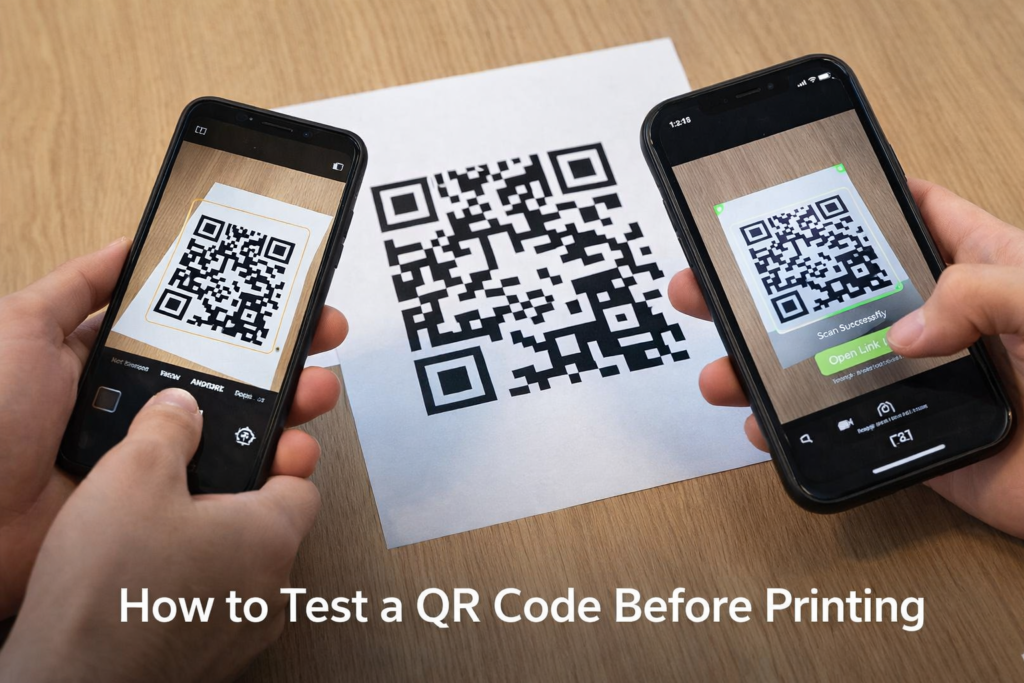
Before you commit to a large print run, make sure your chosen code actually works in the real world. Read our full guide on How to Test a QR Code Before Printing to avoid expensive mistakes and ensure perfect scanning every time.