QR codes for small businesses have become one of the most practical digital tools in 2026, not because they are new, but because they solve a very old problem: how to give customers information instantly without friction. Small businesses today operate in an environment where customers expect speed, clarity, and convenience by default. If accessing a menu, making a payment, or finding directions takes effort, customers simply move on.
Unlike mobile apps, printed brochures, or complex software systems, QR codes work instantly on devices people already carry. There is no learning curve, no installation, and no technical explanation required. This simplicity is the reason QR codes have survived every technology cycle and continue to grow in relevance.
For small businesses, QR codes are especially valuable because they deliver maximum utility at minimal cost. A single QR code printed once can work for years. In 2026, where cost control and efficiency matter more than flashy tech, QR codes remain one of the smartest tools available.
This article explains 10 realistic, proven, and revenue-supporting uses of QR codes for small businesses, along with best practices, common mistakes, and long-term strategy considerations.
Why QR Codes Matter More for Small Businesses Than Large Brands
Large corporations can afford custom apps, digital kiosks, customer service staff, and frequent reprinting of materials. Small businesses cannot. They need tools that scale without increasing cost or complexity.
QR codes help small businesses by:
- Reducing operational overhead
- Replacing printed instructions and brochures
- Speeding up customer decision-making
- Improving customer experience without extra staff
In practical terms, QR codes allow small businesses to operate smarter, not harder. They act as silent assistants that guide customers without requiring human intervention.
What QR Codes Are and How Customers Use Them Today
QR (Quick Response) codes are two-dimensional barcodes capable of storing URLs, contact information, payment links, or documents. When scanned using a smartphone camera, the encoded data opens instantly, as explained in Google’s official documentation on QR code scanning.
In 2026:
- Smartphone cameras scan QR codes natively
- Customers already understand scanning behavior
- QR codes are trusted and familiar
This matters because trust reduces hesitation. Customers don’t question QR codes anymore — they expect them.
Static vs Dynamic QR Codes: What Actually Makes Sense
This distinction matters, especially for small businesses.
Static QR Codes
- Data is permanently embedded
- No expiration
- No ongoing cost
- Ideal for printing
Dynamic QR Codes
- Use redirects
- Often require subscriptions
- Can stop working if service ends
For most QR codes for small businesses, static QR codes are the rational choice. Menus, packaging, business cards, posters, and signage are printed once and used long-term. A QR code that depends on a paid dashboard is a liability, not a feature. Want the full technical breakdown? Read our detailed comparison of Static vs. Dynamic QR Codes to see which one fits your long-term business strategy.
Core Benefits of QR Codes for Small Businesses in 2026
QR codes continue to grow because they align perfectly with modern customer behavior.
Key advantages include:
- Instant access to information
- No apps or accounts required
- Extremely low implementation cost
- Works across all smartphone brands
- Privacy-friendly by default
In a business environment where customers are impatient and distracted, QR codes reduce friction instead of adding it.
1. QR Codes for Business Cards
Business cards remain relevant, but their role has changed. They are no longer information containers — they are entry points.
A QR code on a business card can link to:
- Your website
- Contact details (vCard)
- Google Maps location
- WhatsApp or call button
This allows a single card to replace multiple follow-up steps.
Best practice:
Always add a short instruction such as “Scan to Save Contact”. Never assume the customer knows what the QR code does.
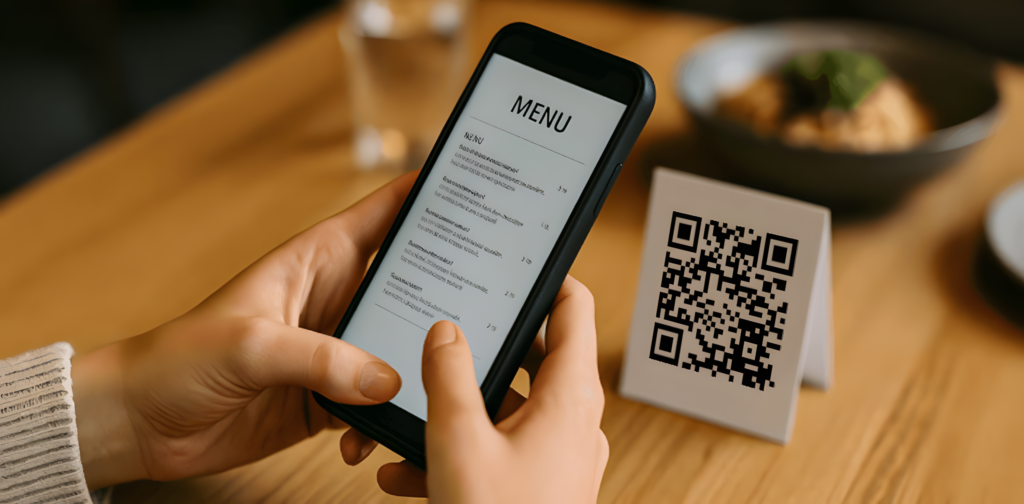
2. QR Codes for Restaurant and Café Menus
Menus are one of the strongest use cases for QR codes.
A QR code can link to:
- A PDF menu
- A mobile-friendly menu page
- A hosted menu file
Benefits include:
- Reduced printing costs
- Cleaner tables
- Faster browsing
- Easier updates without reprinting
In 2026, customers expect to scan menus. Restaurants that don’t offer this option often feel outdated.
3. QR Codes on Product Packaging
Packaging has limited space, but QR codes extend that space infinitely.
QR codes allow businesses to share:
- Ingredient or material lists
- Usage instructions
- Safety warnings
- Brand story or sourcing details
This is especially valuable for food, cosmetics, handmade products, and eco-friendly brands. Transparency builds trust, and trust increases repeat purchases.
4. QR Codes for Store Location and Navigation
Finding a business should never be difficult.
A QR code linked to a Google Maps location allows customers to:
- Open navigation instantly
- Avoid typing addresses
- Reduce confusion and drop-offs
These QR codes are effective on flyers, posters, storefront windows, and business cards. For local businesses, this directly translates into increased foot traffic.
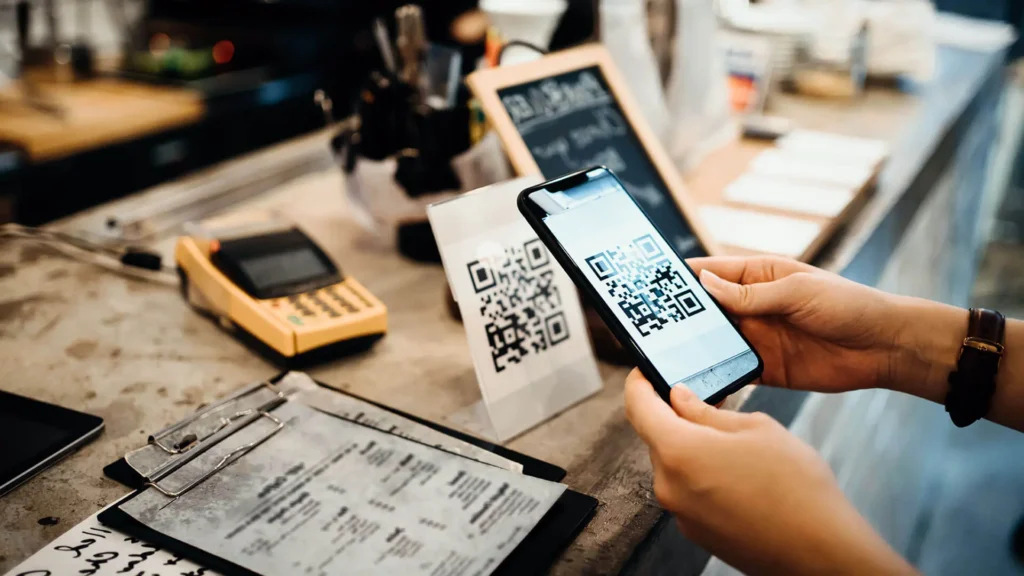
5. QR Codes for Contactless Payments
Contactless payments are no longer optional.
QR codes linked to payment pages allow customers to pay instantly using:
- Easypaisa
- JazzCash
- PayPal
- Stripe
This is ideal for small retailers, food stalls, freelancers, and service providers who want fast, low-friction transactions without expensive hardware.
6. QR Codes for Social Media Growth
Offline customers are valuable, but online followers create long-term brand equity.
QR codes can link directly to:
- Instagram profiles
- Facebook pages
- TikTok accounts
- YouTube channels
Placing QR codes on receipts, packaging, or posters helps convert one-time buyers into long-term followers organically.
7. QR Codes for Customer Reviews
Reviews directly influence buying decisions.
A QR code that opens your Google review page removes friction and dramatically increases response rates.
Best placement areas:
- Checkout counters
- Receipts
- Thank-you cards
More reviews mean stronger trust signals and higher conversion rates. We have a complete guide on how to set this up correctly. See our Google Review QR Code Landing Page Guide to learn how to create a direct link for your customers.
8. QR Codes for Event Promotion
Printed marketing materials become significantly more effective when QR codes are included.
QR codes can link to:
- Event landing pages
- Registration forms
- WhatsApp inquiry links
This works well for workshops, exhibitions, flash sales, and community events. Once printed, the QR code continues working without maintenance.
9. QR Codes for Manuals, Guides, and Support
Printed manuals are expensive and frequently lost.
QR codes allow businesses to link customers to:
- PDF manuals
- Setup instructions
- Safety guidelines
- Troubleshooting pages
This reduces printing costs and improves customer support accessibility.
10. QR Codes for Loyalty Program Information
Not every loyalty program needs an app.
A simple QR code can explain:
- How points are earned
- How rewards are redeemed
- Program rules and limits
This keeps loyalty programs simple, transparent, and accessible to all customers.
Best Practices for QR Codes for Small Businesses
To maximize effectiveness:
- Use high-contrast designs
- Ensure QR codes are large enough to scan
- Avoid glossy or curved surfaces
- Test codes before mass printing
- Always explain the QR code’s purpose
Small design decisions can double scan rates.
Common Mistakes That Kill QR Code Performance
Avoid these errors:
- Linking to slow or non-mobile pages
- Using low-resolution QR images
- Placing QR codes where cameras can’t focus
- Assuming customers know what to do
Each mistake adds friction and reduces trust.
Creating QR Codes with Genie QR Code
Small businesses can generate QR codes for small businesses using Genie QR Code, a tool designed specifically for permanent, static QR codes.
With Genie QR Code, you can create:
- Website QR codes
- Menu QR codes
- Payment QR codes
- Contact QR codes
- Social media QR codes
Because the platform focuses on static QR codes, your QR codes never expire and never require subscriptions, making them ideal for long-term printed use.
Security and Privacy Considerations
When implementing QR codes for small businesses, security and privacy should always be top priorities. One of the main advantages of using static QR codes is that they do not track users automatically. Unlike dynamic QR codes that can log scans, capture device information, or record locations, static QR codes are simply gateways to the destination content. Any data collection or tracking depends entirely on what the linked page or website does, not on the QR code itself.
This design makes static QR codes inherently privacy-friendly, which is particularly important for businesses that need to comply with local data protection regulations or want to demonstrate a commitment to customer trust. For example, when a QR code links to a PDF menu, a business website, or contact information, no personal user data is transmitted unless the user voluntarily submits it on the destination page.
From a security standpoint, businesses should also ensure that their QR codes direct users to verified and secure destinations. Avoid linking codes to unsecured websites (HTTP) or unknown third-party services, as this could expose users to phishing or malware risks. Regularly testing and verifying QR code links before printing or deployment further reduces the risk of misuse.
By combining static QR codes with secure, privacy-conscious destination pages, small businesses can provide a safe and trustworthy digital experience for customers. This approach reassures users, builds credibility, and aligns with modern expectations for digital safety, making QR codes not only practical but also responsible tools for customer interaction.
Long-Term Value of QR Codes for Small Businesses
Even as technology evolves, QR codes remain relevant because they emphasize:
- Speed
- Simplicity
- Accessibility
Customers prefer tools that work instantly without explanation. QR codes continue to meet that expectation in 2026 and beyond.
Final Thoughts
QR codes for small businesses offer a powerful, affordable, and versatile way to connect offline customers with digital content instantly. Whether it’s menus, contactless payments, Google reviews, product packaging, or loyalty programs, QR codes allow businesses to deliver information, collect feedback, and drive engagement without added complexity or significant cost.
In addition to convenience, QR codes help small businesses save on printing, reduce manual processes, and provide measurable value over time. A single QR code can be printed once and remain functional for years, making it a cost-effective solution for small enterprises that want to operate smarter.
For small businesses focused on sustainable growth in 2026, QR codes remain one of the most effective digital tools available. They empower businesses to keep up with evolving customer expectations, provide seamless experiences, and create a bridge between offline interactions and online engagement. By implementing QR codes thoughtfully and testing them across use cases, small businesses can maximize customer satisfaction, build trust, and gain a competitive edge in an increasingly digital marketplace.
Frequently Asked Question
Can small businesses safely use QR codes for payments?
Yes. Small businesses can safely use QR codes for contactless payments as long as they ensure the codes link to official payment portals and are not tampered with. Using secure services like Easypaisa, JazzCash, or PayPal ensures transactions remain safe and fast for customers.
Do QR codes expire once printed?
Static QR codes printed on business cards, packaging, or menus do not expire and remain functional indefinitely. Dynamic QR codes, which redirect to online links, may become inactive if the service or destination URL changes, so small businesses should plan accordingly.
How large should a QR code be for menus or posters?
QR code size depends on the scanning distance. For menus and table tents, codes should be at least 3–5 cm to ensure easy scanning. Posters or banners meant for standing distances of 2–3 meters should use codes 20–30 cm wide to maintain reliability and reduce scanning frustration.
Can QR codes help small businesses increase customer engagement?
Absolutely. QR codes streamline access to websites, reviews, social media, menus, and loyalty programs, reducing friction for customers. The easier it is to scan, the more likely customers are to engage, provide feedback, and return to the business.
Are QR codes compatible with all smartphones?
Yes. Modern smartphones, both iOS and Android, have native QR scanning capabilities through their cameras. No additional apps are required, making QR codes universally accessible and convenient for all types of customers.