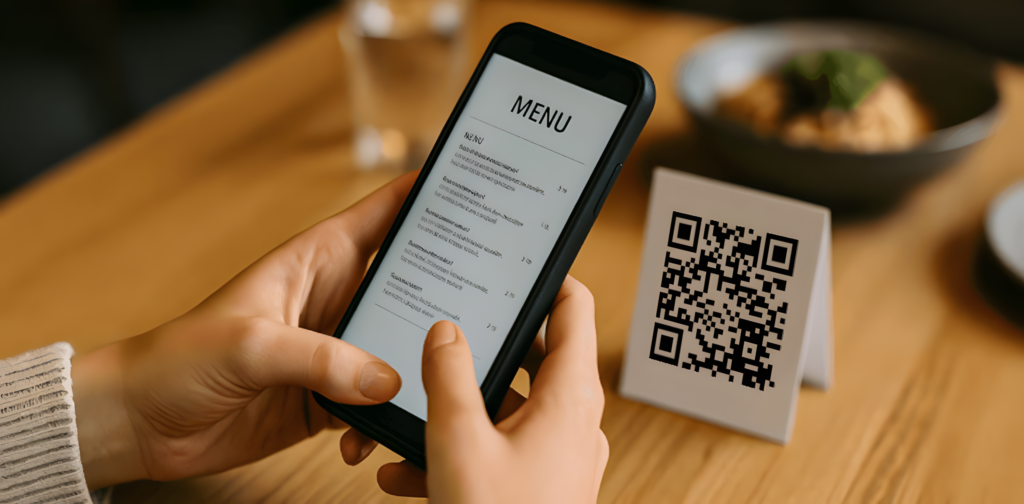
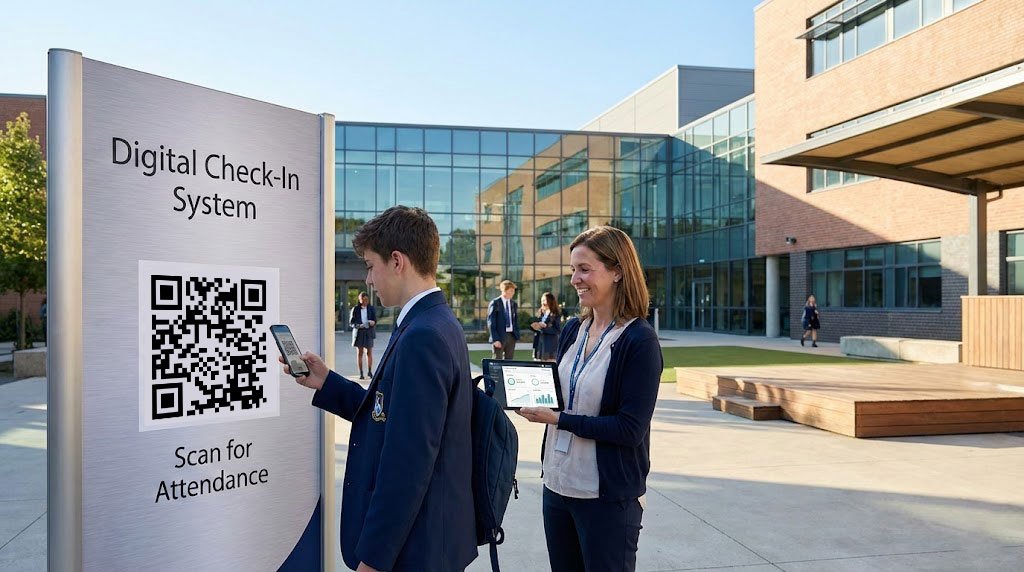
How Schools and Events Use QR Codes is no longer just a digital trend—it has become an operational necessity. Educational institutions and event organizers are under increasing pressure to modernize processes, improve accountability, and reduce administrative friction. QR-based systems offer a scalable and cost-effective solution that bridges physical environments with digital infrastructure.
The adoption of QR Codes for Schools and QR Codes for Events is not driven by trend alone. It is driven by operational necessity. Institutions need scalable solutions that are cost-effective, easy to deploy, and compatible with existing systems. QR technology fits these requirements perfectly because it requires minimal infrastructure and works seamlessly with smartphones.
In this comprehensive guide, we explore in detail how schools and events use QR codes, practical applications, step-by-step implementation, system comparisons, security practices, data analytics advantages, financial implications, global trends, and future developments in education technology.
What Are QR Codes and Why Are They Effective?
QR (Quick Response) codes are two-dimensional barcodes capable of storing structured digital data. When scanned with a smartphone camera or QR reader, they instantly trigger a digital action such as opening a webpage, logging attendance, verifying identity, or processing a payment.
Unlike traditional barcodes, QR codes:
- Store more information
- Support dynamic content updates
- Work from multiple scanning angles
- Require no special hardware
- Function across most smartphones
This makes QR codes highly practical in educational and event environments where users already carry compatible devices. Readers interested in creating their own codes can explore the free tools available on the Genie QR Code platform.
According to UNESCO, digital transformation in education is accelerating worldwide, particularly in blended and hybrid learning models. QR codes serve as simple digital bridges between physical spaces and online systems.
How Schools Use QR Codes in Daily Operations
1. School Attendance QR Code Systems
One of the most widespread examples of how schools and events use QR codes is attendance automation.
Traditional roll calls:
- Consume valuable instructional time
- Require manual data entry
- Allow proxy attendance
- Create paper storage burdens
A School Attendance QR Code system works differently: You can Generate a Free Attendance QR Code on our homepage to start your pilot program.
- A dynamic QR code is displayed at the start of class.
- Students scan the code using their devices.
- The system logs attendance with timestamps.
- Reports are generated automatically.
Advanced systems rotate QR codes every few minutes to prevent screenshots from being reused.
The result:
- Reduced administrative time
- Higher accuracy
- Better attendance analytics
- Improved accountability
Over an academic year, these time savings accumulate significantly. This shift from manual workflows to digital tracking improves institutional transparency and long-term operational efficiency.
2. Digital Student Identification
Many institutions now issue QR-based digital ID cards instead of plastic cards.
Each student receives:
- A unique encrypted QR code
- Secure backend profile
- Role-based access permissions
Applications include:
- Library checkouts
- Laboratory access
- Campus transport verification
- Cafeteria cashless payments
QR Codes for Schools reduce printing costs and allow instant reissuance if credentials are lost.
3. Fee Payments and Administrative Transactions
QR codes simplify financial processes.
Parents can scan QR codes printed on invoices to access secure payment portals. Transactions automatically record in accounting systems, reducing reconciliation errors and minimizing cash handling risks.
This increases transparency and operational efficiency.
4. Library and Academic Resource Integration
Libraries use QR codes for:
- Book checkout tracking
- Accessing digital copies
- Linking to research databases
- Providing summaries and related resources
Students can scan QR codes attached to textbooks or shelves to retrieve supplementary digital materials.
5. Examination Verification
QR codes enhance exam security.
Students receive QR-coded hall tickets. At entry:
- Invigilators scan the code.
- Identity verification occurs instantly.
- Attendance is logged digitally.
This reduces impersonation and speeds up the examination process.
6. Certificate Authentication
Institutions embed QR codes into diplomas and transcripts. Employers scan the QR code to verify authenticity through official databases.
This reduces credential fraud and increases trust in academic documentation.
How Events Use QR Codes for Operational Efficiency
1. Event Registration QR Code Systems
Manual registration often creates long queues and administrative bottlenecks.
An Event Registration QR Code system:
- Generates a unique QR code upon online registration.
- Sends it via email or event apps.
- Staff scan it at entry.
- Attendance confirms instantly.
This supports Digital Check-in with QR Codes and eliminates paper tickets.
2. Contactless Check-In
Digital Check-in with QR Codes reduces physical contact and speeds up entry. This became especially important in post-pandemic event planning.
Benefits include:
- Faster crowd movement
- Real-time attendance tracking
- Reduced staffing requirements
- Better compliance monitoring
3. Session-Level Tracking at Conferences
QR Codes for Events allow organizers to:
- Track attendance per breakout session
- Monitor speaker popularity
- Measure workshop participation
- Issue digital participation certificates
These analytics improve future event planning.
Advanced Institutional Applications
QR Codes for Campus Transportation
Large campuses use QR scanning for shuttle verification. Students scan when boarding campus transport, enabling:
- Usage tracking
- Route optimization
- Demand analysis
QR-Based Classroom Access Control
Institutions integrate QR systems with secure door access. Students scan QR credentials to access labs or restricted facilities.
Administrators gain:
- Real-time access logs
- Role-based entry permissions
- Audit capabilities
Alumni and Networking Events
At networking events, QR codes facilitate:
- Instant contact exchange
- Profile sharing
- Digital business cards
- Engagement tracking
This enhances networking outcomes.
Data Analytics and Performance Monitoring
A major advantage of how schools and events use QR codes lies in data visibility.
QR systems enable institutions to analyze:
- Attendance patterns
- Late arrival frequency
- Event peak entry times
- Session engagement rates
- Payment timelines
Administrators can optimize scheduling and resource allocation based on real data.
Platforms such as Google for Education emphasize the importance of data-driven decision-making in digital education ecosystems.
Integration with Existing School and Event Software
Understanding how schools and events use QR codes does not stop at scanning and analytics. The real operational value comes from how QR systems integrate with existing institutional software platforms. Without backend connectivity, QR codes function as isolated tools. With proper integration, they become part of a centralized digital ecosystem.
Modern institutions already operate multiple digital systems. QR technology must connect seamlessly with these platforms to ensure efficiency, accuracy, and scalability.
Integration with Student Information Systems (SIS)
Student Information Systems (SIS) manage essential academic data, including enrollment records, attendance history, academic performance, and financial information.
When a School Attendance QR Code is scanned, the data must automatically sync with the SIS database. This ensures:
- Attendance logs update instantly
- Student records remain consistent
- No manual spreadsheet uploads are required
- Reporting accuracy improves
Through secure API connections or middleware automation, QR scans become verified entries in official academic records. This eliminates duplication and reduces administrative workload.
Integration with Learning Management Systems (LMS)
Learning Management Systems host digital coursework, assignments, and academic resources.
QR integration with LMS platforms allows:
- Attendance credit to link directly to course participation
- Immediate access to digital materials upon scanning
- Tracking of in-class engagement tied to online modules
- Seamless hybrid learning workflows
For example, when students scan a QR code during class, the system can automatically mark attendance and unlock relevant digital resources in the LMS.
This strengthens the bridge between physical classroom activity and digital academic platforms.
API-Based Data Syncing
Application Programming Interfaces (APIs) enable secure communication between QR systems and backend databases.
API-based integration allows:
- Real-time attendance recording
- Instant event check-in confirmation
- Secure payment validation
- Identity authentication
- Certificate verification
Each QR scan triggers a backend action, converting a simple scan into a timestamped digital record stored in centralized systems.
Secure API implementation typically includes:
- HTTPS encryption
- Authentication tokens
- Access control validation
- Rate limiting to prevent misuse
Without API integration, QR codes cannot scale effectively.
CRM Integration for Events
Event organizers commonly use Customer Relationship Management (CRM) platforms to manage attendees, sponsors, and engagement data.
When an Event Registration QR Code is scanned:
- Attendee status updates instantly
- Session participation logs automatically
- Sponsor interactions record digitally
- Engagement metrics update in real time
CRM integration transforms QR scanning from a check-in tool into a data collection system that supports post-event reporting and strategic planning.
Cloud Database Architecture
Modern QR systems operate on cloud-based infrastructure to ensure scalability and reliability.
Cloud architecture provides:
- Secure data storage
- Automatic backups
- High system availability
- Multi-location access
- Load balancing during peak usage
When hundreds or thousands of students scan QR codes simultaneously, cloud systems prevent crashes and ensure uninterrupted operation.
This infrastructure supports institutions operating across multiple campuses or hosting large-scale events.
Real-Time Dashboards
Integrated QR systems include administrative dashboards that provide live operational visibility.
These dashboards allow institutions to monitor:
- Attendance trends in real time
- Event entry flow
- Payment confirmations
- Session occupancy levels
- Engagement statistics
Real-time insights allow administrators to make immediate decisions rather than waiting for end-of-day reports.
Role-Based Administrative Panels
Secure QR systems implement role-based access control to ensure proper governance.
This means:
- Teachers can view only their class data
- Event staff can scan attendees but not access financial records
- Finance teams can monitor payments
- IT administrators control system settings
Role-based permissions prevent unauthorized access while maintaining operational efficiency.
Why This Integration Matters
QR codes alone are not transformative. Their power lies in connectivity.
When integrated properly:
- Attendance logs sync automatically
- Event participation feeds into CRM systems
- Payments update financial databases
- Access permissions remain secure
- Reporting becomes automated
This level of integration turns QR codes into strategic infrastructure rather than simple scanning tools.
Step-by-Step Implementation Guide
Step 1: Define Clear Objectives
Identify measurable goals:
- Reduce attendance time
- Eliminate paper tickets
- Improve event entry speed
Step 2: Choose Static or Dynamic QR Codes
Dynamic QR codes allow content editing and scan tracking. For a full breakdown of costs and features, see our Static vs. Dynamic Comparison. They are typically preferred for attendance and event registration.
Step 3: Integrate With Backend Systems
QR systems should connect to:
- Student Information Systems
- Event management software
- Payment gateways
- Cloud databases
Without integration, QR codes lose strategic value.
Step 4: Conduct Pilot Testing
Test systems under high-traffic conditions before full deployment.
Step 5: Train Users
Educate staff and students on scanning procedures and security awareness.
Financial Considerations
Costs may include:
- Software subscriptions
- IT integration
- Staff training
- Data storage
Savings often include:
- Reduced printing
- Lower staffing needs
- Reduced fraud
- Faster processes
Over time, operational savings outweigh setup costs.
Comparison With Traditional Systems
QR Codes vs Paper-Based Attendance
Paper systems lack real-time reporting and require physical storage. QR systems provide instant data access and sustainability benefits.
QR Codes vs Manual Registration
Manual event sign-ins cause delays and errors. Event Registration QR Code systems streamline entry and generate analytics.
QR Codes vs RFID Cards
RFID requires hardware infrastructure. QR codes require only smartphones and minimal setup, making QR Codes for Schools more cost-effective
Security and Governance
Best practices include:
- Use HTTPS encryption to protect data in transit.
- Avoid embedding personal data directly into the QR code.
- Rotate attendance codes frequently to prevent unauthorized sharing.
- Restrict database access to authorized administrative staff only.
- Conduct regular audits of your scanning logs.
Clear data governance policies are essential for maintaining trust. For a deeper look at keeping your data safe, read our full guide on QR Code Best Practices for advanced security tips.
Environmental Impact
Replacing paper-based systems with QR workflows reduces:
- Attendance sheets
- Printed tickets
- Physical ID cards
- Paper certificates
QR adoption supports institutional sustainability goals.
Global Adoption Trends
Many countries rapidly adopted QR systems during pandemic-era digital transformation. Even after restrictions eased, institutions retained QR-based systems due to efficiency gains.
UNESCO continues highlighting the importance of scalable digital infrastructure in education systems worldwide.
Future Trends in 2026 and Beyond
Emerging developments include:
- AI-driven attendance analytics
- Blockchain-secured certificates
- Integrated digital identity systems
- Predictive attendance modeling
QR codes are likely to remain foundational digital access triggers within broader smart campus ecosystems.
Frequently Asked Questions
1. How do schools use QR codes for attendance?
Schools display a School Attendance QR Code that students scan to automatically log attendance in digital systems.
2. Are QR Codes for Events reliable for large gatherings?
Yes, QR Codes for Events efficiently manage high-volume digital check-ins when integrated with secure backend systems.
3. What is Digital Check-in with QR Codes?
Digital Check-in with QR Codes allows participants to confirm entry by scanning a unique QR code instead of signing paper logs.
4. Can QR codes reduce operational costs?
Yes, QR Codes for Schools reduce printing, staffing, and administrative workload.
5. Are QR systems secure?
When implemented with encryption and proper governance, QR systems are secure and scalable.
Conclusion
How Schools and Events Use QR Codes demonstrates how simple technologies can drive meaningful institutional transformation. By integrating QR-based systems into attendance tracking, event registration, identity verification, and digital check-in workflows, organizations gain improved operational visibility and long-term efficiency. QR Codes for Schools and QR Codes for Events are no longer experimental tools—they are practical infrastructure components that support smarter decision-making and scalable digital growth. As education and event management continue evolving, QR technology will remain a reliable foundation for secure, data-driven, and future-ready operations.