
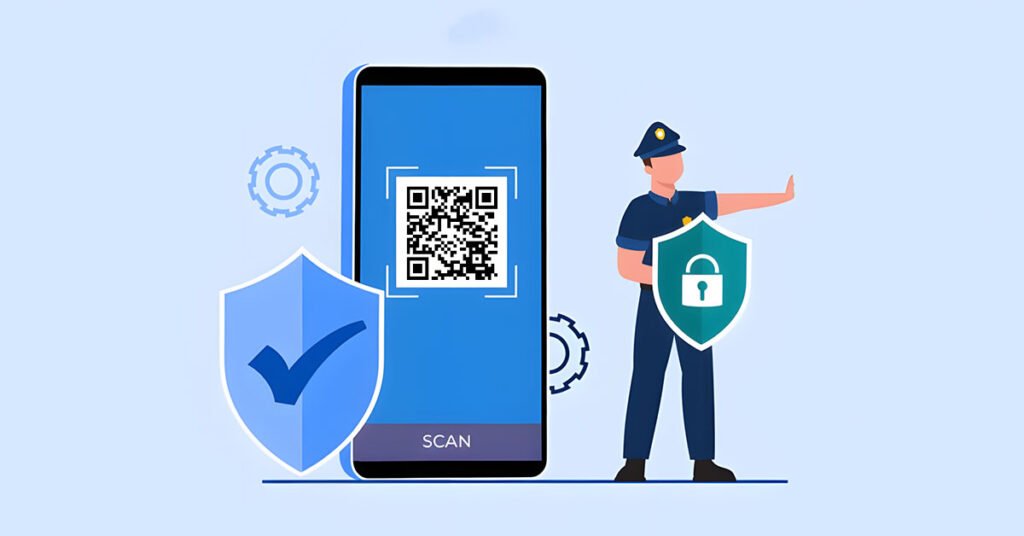
QR Code Security Guide is essential reading in 2026 because QR codes are now deeply integrated into everyday life. From restaurant menus and parking meters to banking authentication and digital payments, QR technology has become part of how modern society functions. The convenience is undeniable. However, convenience without awareness creates vulnerability.
As QR code adoption has grown, so has QR phishing, QR code fraud, and malicious QR codes. Cybercriminals target the same tools that legitimate businesses use. Because QR codes hide their destination links until scanned, they present unique cybersecurity risks that traditional URL browsing does not.
This comprehensive QR Code Security Guide explains how QR code scams work, how hackers exploit QR technology, real-world fraud patterns, and practical QR code safety tips for both individuals and businesses.
Introduction to QR Code Security
QR codes (Quick Response codes) are machine-readable optical labels that store data such as URLs, payment credentials, contact details, or authentication tokens. When scanned using a smartphone, they trigger an immediate action—usually opening a webpage.
The problem is simple but serious: users cannot see the underlying link before scanning.
Unlike typing a website address manually—where you can inspect the URL carefully—QR codes obscure the destination entirely. That invisibility creates opportunity for deception. A malicious QR code looks identical to a legitimate one.
QR code cybersecurity requires understanding that the threat does not come from the QR image itself but from the hidden destination it leads to.
Why This QR Code Security Guide Matters in 2026
QR usage surged after contactless systems became standard worldwide. By 2026, QR codes are widely used for:
- Digital payments
- Banking authentication
- Restaurant ordering
- Ticketing systems
- Marketing campaigns
- Customer feedback forms
- Identity verification
Criminals follow behavior patterns. When users began scanning QR codes frequently, attackers shifted their strategies accordingly. QR code fraud is increasing because:
- Irreversibility: Mobile transactions are fast and often impossible to undo once sent.
- Small Screen Bias: Users rarely verify full domain names on small mobile screens.
- Physical Tampering: Public spaces allow for easy “sticker-over-sticker” tampering.
- Social Engineering: Scammers use urgency or fear to bypass a user’s critical thinking.
A strong QR Code Security Guide emphasizes that awareness must evolve at the same pace as technology. For businesses, implementing these systems safely is a top priority—see our dedicated guide on How to Get More Google Reviews Safely for a secure implementation strategy.
Common QR Code Security Threats
Understanding the primary risks is critical for QR code cybersecurity.
QR Phishing (Quishing)
QR phishing, often called “quishing,” is one of the fastest-growing attack methods. In this type of scam, malicious QR codes redirect users to counterfeit login pages that mimic trusted institutions such as banks, delivery services, or government agencies.
Victims scan the QR code, land on a fake website, and unknowingly submit:
- Login credentials
- Banking information
- One-time passwords
- Personal identification details
Because the action begins on a mobile device, many users skip detailed URL inspection. QR phishing exploits urgency and convenience. According to the Federal Trade Commission (FTC), phishing remains one of the most reported fraud categories globally.
Fake Payment QR Codes
In restaurants, parking lots, fuel stations, and retail counters, scammers sometimes place fraudulent QR stickers over legitimate payment codes.
Customers scan the altered code and send money directly to the attacker’s account.
QR code fraud involving payment redirection is especially dangerous because:
- Transactions are instant.
- Recovery is difficult.
- Victims often realize the scam too late.
This QR Code Security Guide stresses verifying merchant details inside payment apps before authorizing transactions.
Malware Redirects
Malicious QR codes may redirect users to pages that attempt to:
- Install harmful mobile applications
- Trigger automatic downloads
- Request device permissions
- Redirect to exploit kits
While modern operating systems have built-in protections, outdated devices remain vulnerable. QR code cybersecurity depends heavily on maintaining updated software.
Social Engineering Scams
Many QR code scams rely less on technical hacking and more on psychological manipulation.
Examples include:
- “Scan to confirm parcel delivery.”
- “Scan to avoid account suspension.”
- “Scan to claim tax refund.”
- “Scan to receive emergency assistance.”
These scams create urgency or fear, prompting victims to act quickly.
This QR Code Security Guide highlights that most QR phishing attacks succeed because people react emotionally instead of analytically.
How Hackers Exploit QR Codes
QR code exploitation relies on five strategic weaknesses:
- Hidden Destinations – Users cannot preview URLs easily before scanning.
- Mobile Behavior – People trust quick mobile interactions.
- Public Trust in Printed Materials – Physical placement increases credibility.
- Sticker Overlay Attacks – Easy to replace legitimate codes in public spaces.
- Low Awareness – Many users underestimate QR code fraud risks.
Attackers combine these factors with professional-looking fake websites to increase success rates.
QR code cybersecurity must focus on both digital and physical environments.
Real-World Examples of QR Code Fraud
QR code fraud cases have been reported globally across various sectors.
Parking Meter Scams
In several cities, criminals placed fake QR codes on parking meters directing payments to fraudulent websites. Drivers unknowingly paid scammers instead of municipalities.
Restaurant Payment Redirection
Some restaurants discovered altered table QR codes that redirected customers to counterfeit payment portals.
Fake Parcel Notifications
Scammers mailed physical letters containing QR codes claiming missed deliveries. Victims scanned the codes and entered payment details to “reschedule” delivery.
Cryptocurrency Theft
Malicious QR codes have been used to replace wallet addresses during crypto transactions, redirecting funds to attackers.
These examples demonstrate that QR phishing and QR code fraud affect both individuals and organizations.
How to Check If a QR Code Is Safe
A structured verification process reduces risk significantly.
Before Scanning
- Inspect the QR code carefully for tampering or sticker overlays.
- Avoid scanning random QR codes placed on public walls or poles.
- Question urgency-driven messages.
After Scanning
- Examine the full domain name carefully.
- Check for spelling variations in brand names.
- Confirm HTTPS encryption.
- Avoid entering sensitive data unless fully confident.
This QR Code Security Guide recommends pausing briefly after scanning to review the destination before interacting further.
QR Code Security Tips for Individuals
Individuals can significantly reduce risk by following disciplined habits.
- Never scan QR codes from unsolicited emails.
- Avoid scanning codes from suspicious flyers or unknown sources.
- Use official apps for banking instead of browser-based logins.
- Enable multi-factor authentication.
- Keep mobile operating systems updated.
- Disable automatic downloads.
- Verify merchant names inside payment apps.
QR code safety tips focus on awareness and cautious behavior.
QR Code Security Tips for Businesses
Organizations must treat QR code cybersecurity as part of operational risk management.
- Use secure hosting environments.
- Monitor QR traffic for suspicious patterns.
- Educate employees about QR phishing.
- Inspect physical QR displays regularly.
- Avoid excessive data collection via QR forms.
- Implement strong server-side security controls.
Businesses using QR codes for marketing or feedback should understand the security differences between static vs dynamic QR codes.
If deploying review collection systems, follow best practices outlined in Google Review QR code implementation.
Small enterprises adopting QR technology can also explore structured deployment strategies in QR codes for small businesses.
Internal risk awareness strengthens overall QR code cybersecurity posture.
Static vs Dynamic QR Code Security Comparison
QR code security varies depending on type.
Static QR Codes
- Fixed destination
- Cannot be edited once printed
- No tracking ability
- Limited risk management flexibility
Dynamic QR Codes
- Destination can be updated
- Allow centralized control
- Enable monitoring
- Provide analytics and traffic oversight
From a QR code cybersecurity perspective, dynamic systems offer greater control and faster response if a link is compromised. To understand the full technical difference, read our Static vs. Dynamic Comparison.
However, proper backend security is essential to prevent server-side vulnerabilities.
QR Code Security Best Practices for Printing
Physical deployment creates unique risks.
Best practices include:
- Printing QR codes at high resolution to avoid distortion.
- Embedding QR codes within branded design elements to deter tampering.
- Placing codes behind protective surfaces where possible.
- Conducting weekly inspections in high-traffic locations.
- Avoiding standalone QR stickers without contextual explanation.
Physical security complements digital safeguards in a complete QR Code Security Guide.
How to Build Customer Trust with Secure QR Codes
Trust is fundamental for adoption.
Businesses can increase trust by:
- Displaying official domain names near QR codes.
- Explaining the purpose of the QR code before scanning.
- Providing alternative access methods (manual URLs).
- Maintaining consistent branding.
- Ensuring fast-loading secure websites.
QR code fraud often succeeds when users feel uncertain. Clear communication reduces hesitation and risk.
The Role of Cybersecurity Standards and Authorities
Global cybersecurity authorities continuously warn about QR phishing trends.
Organizations such as:
- Cybersecurity and Infrastructure Security Agency (CISA)
- Federal Trade Commission (FTC)
- Google Security Team
publish guidance related to phishing detection and safe browsing practices.
Following recognized cybersecurity recommendations strengthens QR code safety frameworks.
Future of QR Code Security
QR technology will continue evolving alongside threats.
Expected developments include:
- AI-driven phishing detection on mobile devices
- Secure QR authentication protocols
- Encrypted QR payload standards
- Improved browser warnings for suspicious redirects
- Regulatory compliance standards for digital payments
QR code cybersecurity will likely integrate more tightly with mobile operating system protections.
This QR Code Security Guide predicts that awareness training will become standard practice for businesses relying heavily on QR systems.
How This QR Code Security Guide Helps You Stay Protected
This QR Code Security Guide is designed to help individuals and businesses understand the real risks behind QR phishing, malicious QR codes, and QR code fraud. By following the structured security principles explained in this QR Code Security Guide, users can reduce exposure to scams and improve overall QR code cybersecurity awareness.
Frequently Asked Questions
1. Are QR codes inherently unsafe?
No, QR codes themselves are not inherently unsafe. They are simply digital containers for data and cannot cause harm on their own. The risk comes when malicious actors embed harmful links, phishing sites, or malware within the code. By practicing caution and following basic security habits—like verifying the destination URL, scanning codes from trusted sources, and using reputable apps—you can safely use QR codes in everyday life for payments, marketing, or information sharing.
2. What is QR phishing?
QR phishing, or “quishing,” is a scam where attackers use QR codes to redirect victims to fraudulent websites. These fake sites aim to steal login credentials, payment information, or personal data. By recognizing suspicious QR codes and verifying destinations before entering sensitive information, users can significantly reduce the risk of falling victim to quishing attacks.
3. Can scanning a QR code infect my device?
Not automatically. Simply scanning a QR code does not infect your device. Risks arise if the QR code redirects to a malicious website or prompts unsafe downloads. Infection occurs when a user interacts with harmful content—like downloading malware or entering passwords. Always check URLs, avoid unknown files, and keep your device security updated.
4. How common is QR code fraud?
QR code fraud has been growing, especially in digital payments, marketing, and public services. Criminals exploit QR codes to redirect users to fake payment portals, delivery notifications, or phishing sites. Reports indicate a noticeable rise in “quishing” incidents, making it essential for individuals and businesses to adopt proactive security measures.
5. Are payment QR codes secure?
Payment QR codes are generally secure when used and verified carefully. Official payment systems implement encryption, verification, and secure hosting. Users must double-check merchant names, website domains, and transaction details before authorizing payments. Always use trusted banking or payment apps instead of scanning codes from unknown sources or unsolicited messages.
6. How can businesses protect customers from malicious QR codes?
Businesses can reduce risk by combining digital and physical security practices. This includes hosting QR content on secure servers, monitoring scan traffic, inspecting printed QR placements for tampering, and clearly branding QR codes. Educating employees and customers about safe scanning practices further strengthens protection and maintains consumer trust.
7. What is the most important QR code safety habit?
The most important habit is verifying the destination URL before entering any sensitive information. Even a legitimate-looking QR code can be malicious. Users should pause and review links, avoid codes from unknown sources, and rely on official apps for payments or sensitive actions. Cultivating this habit protects against phishing, fraud, and malware.
Final Conclusion
This QR Code Security Guide makes one thing clear: QR codes are powerful tools, but without proper safeguards, they can quickly become gateways for fraud. But widespread use makes them attractive targets for scammers. QR phishing, malicious QR codes, and QR code fraud will continue evolving as digital payments expand.
This QR Code Security Guide demonstrates that protection is not complicated—it requires awareness, verification, and responsible implementation. Individuals must slow down and verify. Businesses must monitor, secure, and educate.
QR code cybersecurity is now a necessary part of digital literacy. In 2026 and beyond, scanning without thinking is no longer acceptable practice.
Security begins with awareness—and awareness begins with understanding how QR code threats operate.